-
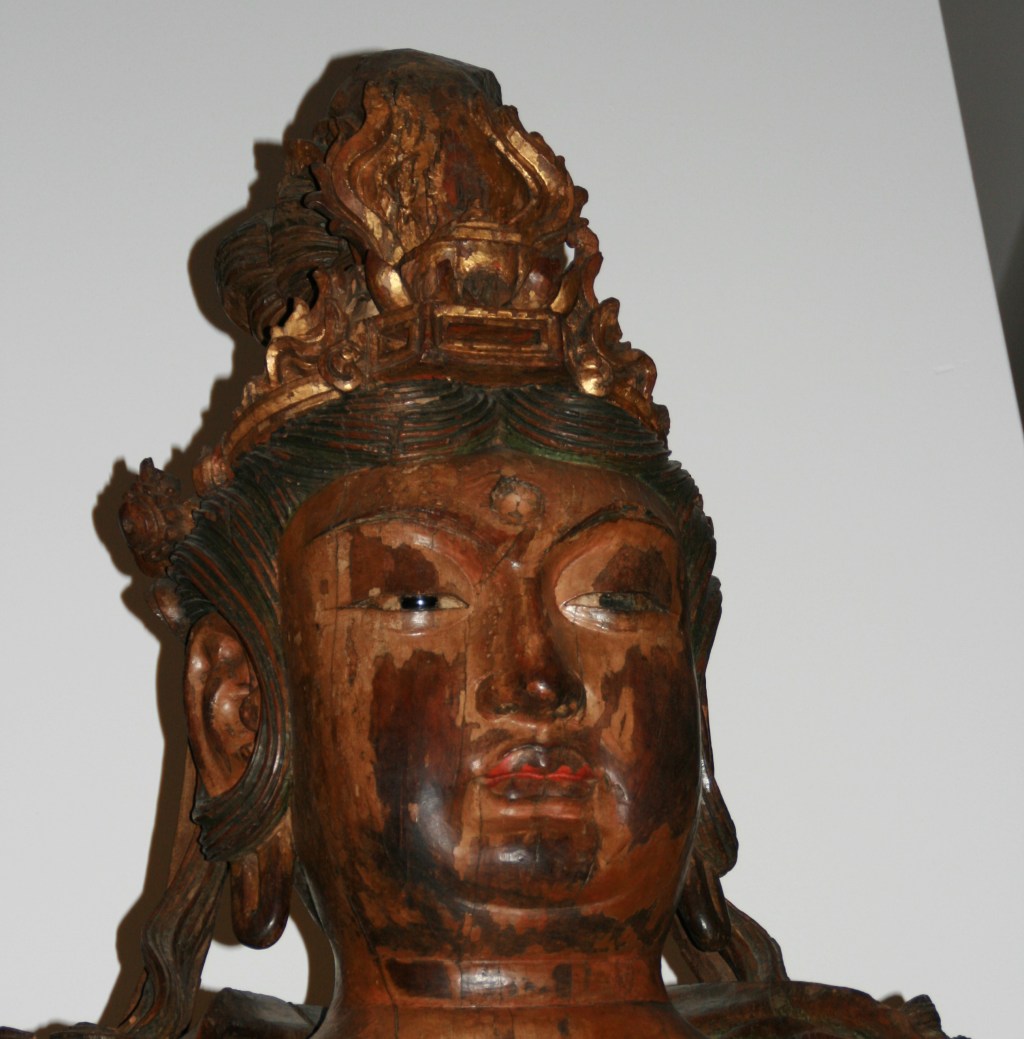
JOSHU’S DOG
My teacher once asked me“what do you haveto say for yourself,” and Ianswered “absolutely nothing,”or did I smile and remain silent? You assume the teacher wouldbe upset with the silent studentand in most cases you wouldbe perfectly correct. But if this occurredin a zendo, having nothingto say is a step toward no-selfand you can bein…
-

UMMON’S MOUNT SUMERU
When you ask your teacherwhat happens when youstop thinking, allowno new thoughtswhat you expect himto tell you? The dead have no thoughtsbut that is not the doorto Nirvana. But if thoughts abandon youwithout your effort, withoutbeing asked to do so,then the door you seekwill open before you. A reflection on Case 19 of the Book…
-
TRY LOOKING
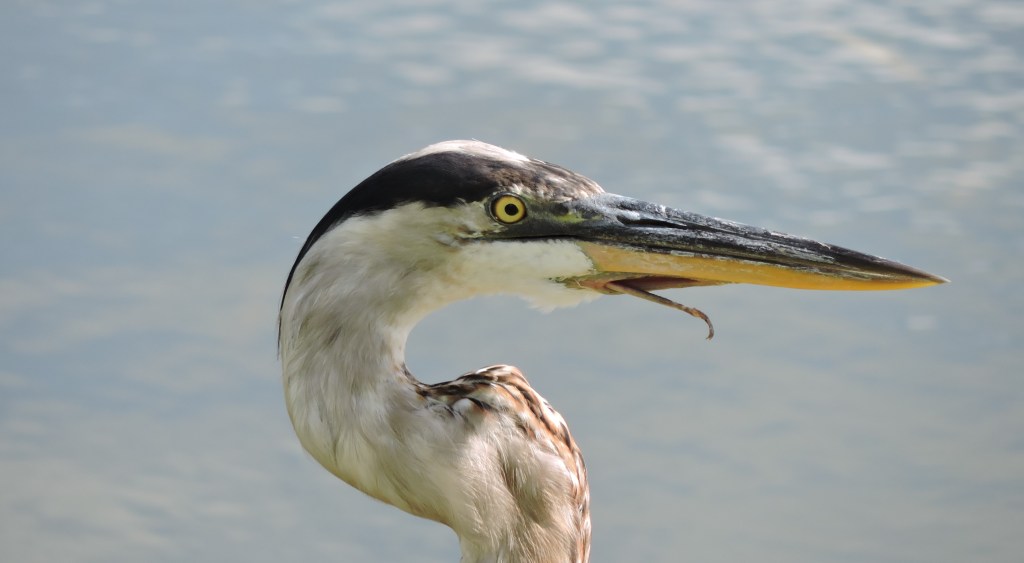
He loved walking around the small lake. He could make a circuit in just under 40 minutes. If. If he didn’t stop to marvel at or photograph some bird along the shore. The runners flashing by him gave him strange looks, likely because they didn’t see the beauty in this bird’s feathers, how the light…
-
HOGAN’S HAIR’S-BREADTH
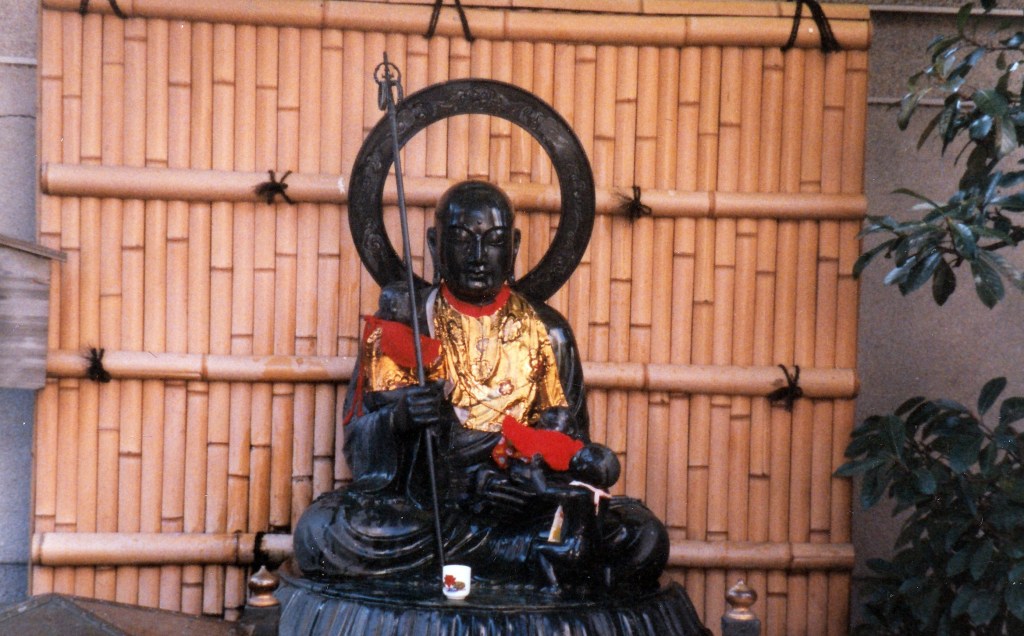
What is it you are looking for,what you expect to findand how will you knowif you find it? You expected your teacherto present it to you? What would you do with itif you did receive it? You must first see that youare both the searcherand the teacher andyou already havewhat you are searching for,for you…
-
LOOKING FOR WORDS
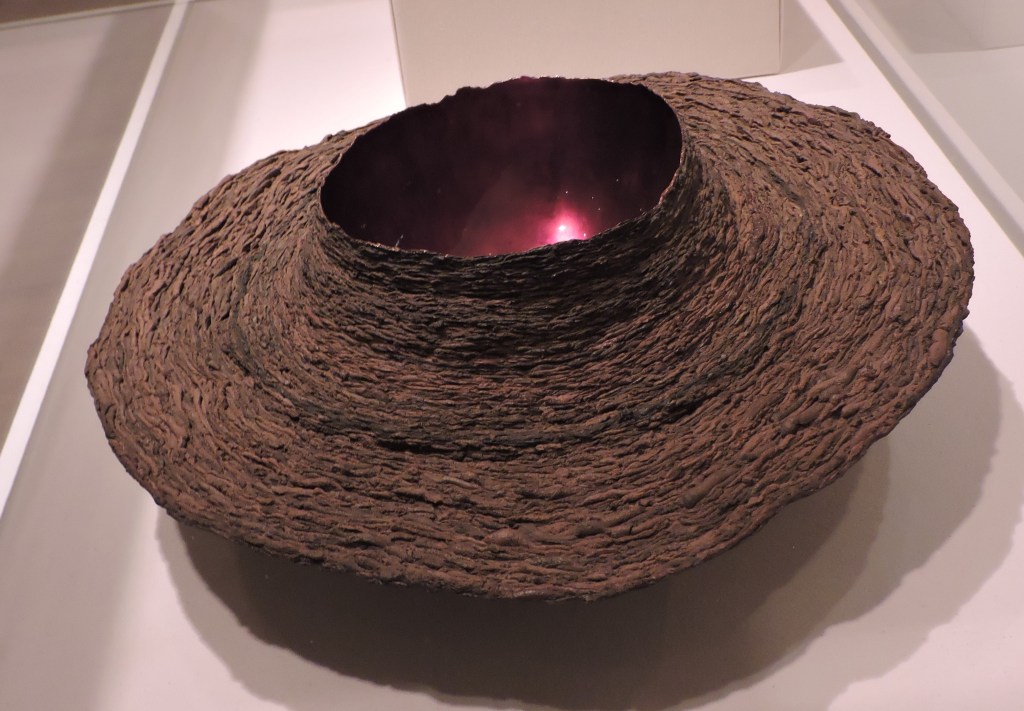
They say a picture is worth a thousand words. Perhaps so, but many pictures don’t travel in verbose company, and there are pictures worth far, far less, although some will search until the magic thousand are found. In Japan a story can be told in seventeen syllables, a picture painted with a single brushstroke. In…
-

KYOZAN PLANTS HIS MATTOCK
In your endless searchfor enlightenment,the best course, the only courseis to stop looking. It may strike you,unexpected or it mayarise without your seeingas you continue your practice. You say there are many Buddhasand you are correct, but I saythere is but one Buddha and Iam also correct, and you arethat one Buddha and I amthat…
-
RINZAI’S BLIND DONKEY
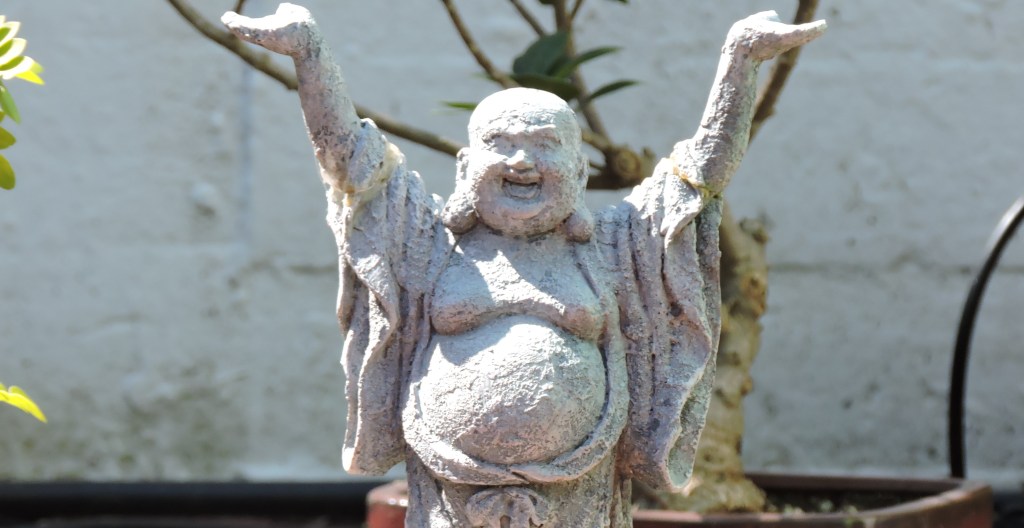
When your teacherhands you the dharmawhat do you find in your hands? What will you dowith the dharma you are given,where will you keep it,or will you give it awayin silence, and in suchgiving have it with youat all times and places. A reflection on Case 13 of the Book of Equanimity (従容錄, Shōyōroku)
-

UMMON’S TWO SICKNESSES
As you wanderyour path, what is itthat you search for? When you seekinstruction from a masterwhat is it you expecthim to provide you? When you sitstill on the cushionyou may find a momentof kensho, butlabeling that momentdestroys it. Enlightenment cannotbe describedfor attaching wordsbrings it to the groundas rubble aroundyour feet. A reflection on Case 11…
-

JOSHU SEES THROUGH THE OLD WOMAN
When, on the path,you com across a problemyou cannot solveyou may turnto your teacherand ask forthe solution. Do not expectan answerfor your teacherhas none, butif you listen carefullyto his silent breathin and out,he will lead youto the answer. A reflection on Casew 10 of the Book of Equanimity (SHôYôROKU 従容錄)
-
NANSEN CUTS A CAT
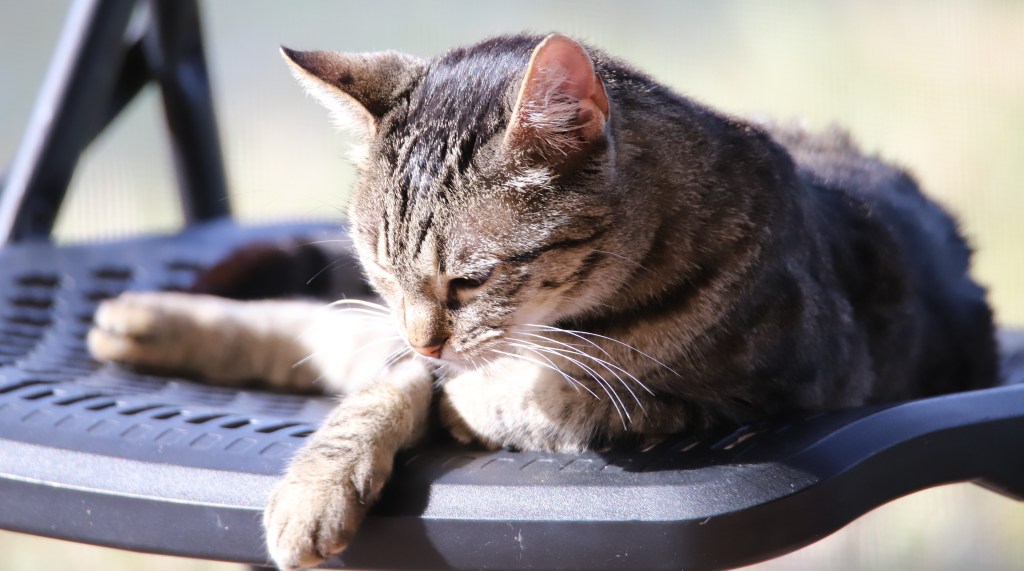
You are a searcher, youlook for answers, you lookfor the right paththat will lead youto enlightenment. You see everythingas black or white, goodor bad, right or wrong.You are a masterat division. Stop searching, stopseeking answers, stopdividing, then sitwith Nansen’s cat.That will be enough. A reflection on case 8 of the Book of Equanimity
-
Subscribe
Subscribed
Already have a WordPress.com account? Log in now.
 an old writer and his words